
Tool care
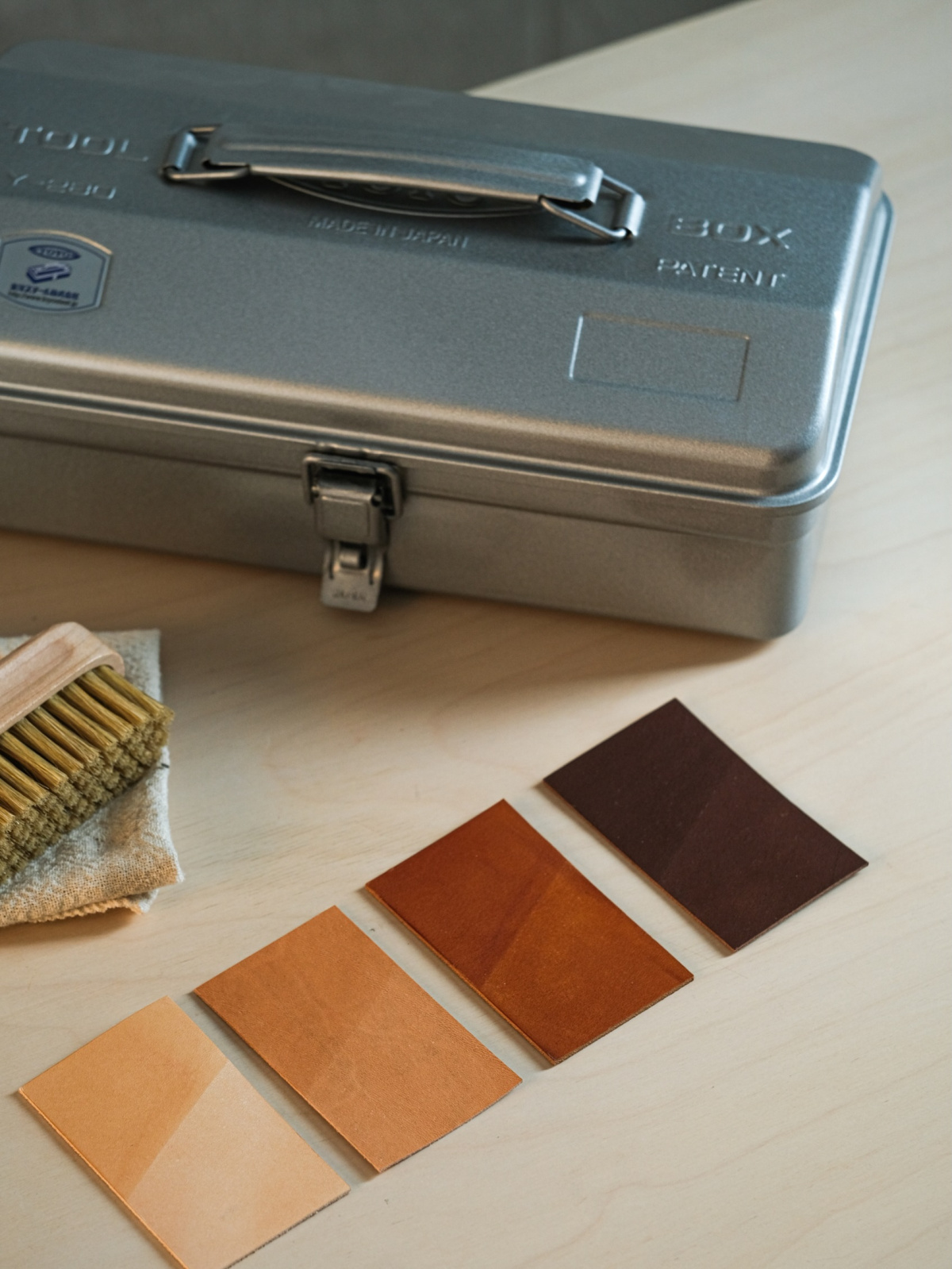
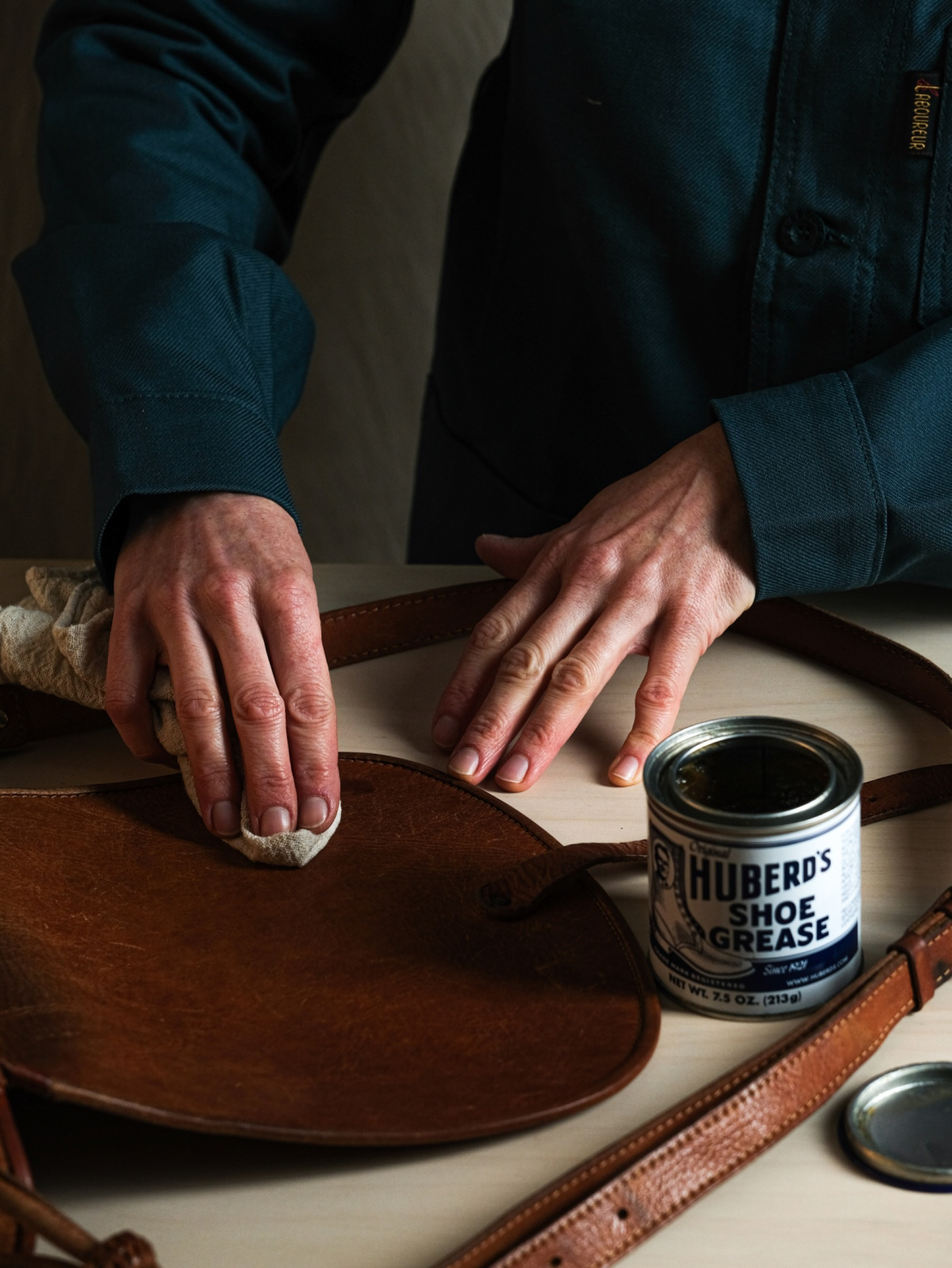
How to Care for Your Tool
A good tool is not a disposable item. It is designed to serve for many years, and proper care is a natural part of using it. In most cases, a few simple habits are enough - clean the product after use, dry it, store it properly and, as needed, treat or sharpen it. However, each type of product and each material has its own specifics.
On this page, you will find recommendations according to tool type, information about individual materials and practical advice to help you preserve their properties for many years.
Contents
Care recommendations for individual tool types
How to care for the materials tools are made from
Sharpening, cleaning, corrosion protection and proper storage
FAQ
Tools and products we use and recommend for everyday care
.
.
.
.
.
Kitchen
Good kitchen equipment is designed for everyday use. Proper care helps preserve its properties, extends its service life and makes work more enjoyable. In most cases, it is enough to clean the products after use, dry them and store them in a dry place. However, individual materials and product types have their own specifics, so below you will find basic maintenance recommendations.
Kitchen knives
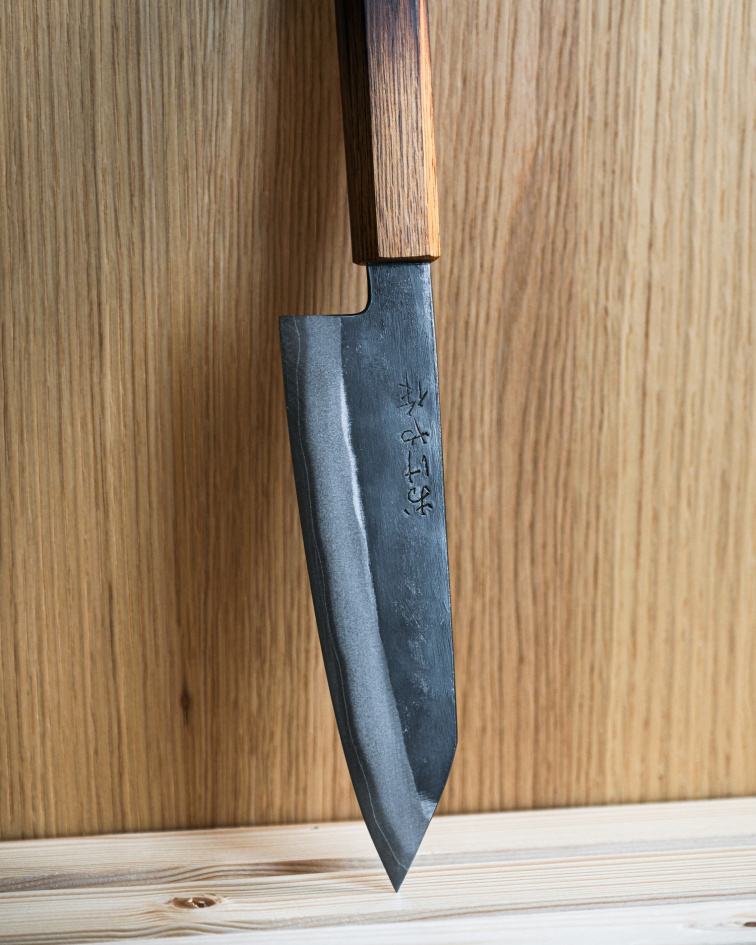
Wash a kitchen knife by hand after use and dry it immediately. Prolonged contact with water and washing in a dishwasher are not good for knives and may affect both the edge and the handle material. We recommend lightly treating carbon-steel knives with protective oil during longer-term storage. Keep the edge sharp and sharpen it as needed - a well-sharpened knife is safer, more precise and more enjoyable to work with. Use the knife only for its intended purpose and store it so that the edge does not come into contact with other objects.
Read more:
Guide to Freehand Knife Sharpening on Water Stones →
Kitchen scissors
Clean and dry scissors after use, especially if they have come into contact with food or moisture. It is advisable to lubricate the joint with a drop of oil from time to time to keep it moving smoothly. Use them only for the tasks they are designed for and do not overload them by cutting hard materials. If they stop cutting cleanly, it is time to have them sharpened or adjusted. Store them in a dry place where they will be protected from moisture.
Cutting boards
Wash wooden cutting boards with lukewarm water after use and dry them thoroughly. Do not leave them in water for long periods or wash them in a dishwasher, as this may deform the wood. Regular oil treatment helps protect the surface from drying out and moisture penetration. Natural changes in colour and minor signs of use are a normal part of a wooden cutting board's life. With proper care, it will serve you for many years.
Cast-iron cookware
Let cast-iron cookware cool after use, wash it with warm water and dry it thoroughly. Avoid prolonged soaking and washing in a dishwasher, which may damage the protective layer. After drying, coat the surface with a thin layer of vegetable oil and wipe off any excess. If rust appears, you can easily remove it with fine steel wool or an abrasive sponge and restore the protective layer (seasoning). With proper care, cast-iron cookware will last a lifetime.
Other kitchen equipment
Each product is designed for a specific use, and its maintenance may vary depending on the material used. The basis of care is regular cleaning, thorough drying and proper storage. Products made of wood, carbon steel, cast iron or titanium may require different maintenance methods. If you are unsure of the correct procedure, see the Materials section, where you will find recommendations for individual material types.
Garden
Good garden tools are designed for regular work and naturally come into contact with soil, sap and moisture. That is why it is important to spend a few minutes caring for them after work. Cleaning, drying and proper storage help preserve their functionality and long service life. Below you will find basic recommendations for individual types of garden tools.
Pruning shears
After work, clean pruning shears of sap, leaves and dirt and dry them thoroughly. It is advisable to occasionally treat the blades lightly with protective oil, which helps prevent corrosion and keeps them moving smoothly. We recommend lubricating the joint regularly, especially with frequent use. Cut only branches and plants within the recommended diameter. If the shears stop cutting cleanly, it is time to have them sharpened or adjusted.
Sickles and grass hooks
After each use, remove grass, sap and moisture from the blade and dry the tool thoroughly. For carbon steel, we recommend applying a thin layer of protective oil, especially before longer-term storage. Keep the edge sharp through regular sharpening, because a sharp tool requires less force and works more precisely. It is advisable to treat the wooden handle with oil or wax from time to time. Store the tool in a dry place where the edge will not unnecessarily strike other objects.
Hoes and cultivators
After work, remove soil and plant residue from the tool before it dries. Dry the metal parts and, for longer-term storage, lightly treat them with protective oil. If the tool has a wooden handle, regularly check its condition and treat it with a suitable oil as needed. Keep the edge or working surfaces clean and resharpen them as needed. Dry storage helps prevent corrosion and unnecessary wear.
Planting tools
Clean planting trowels, dibbers and other tools of soil after use and dry them thoroughly. Metal parts may corrode during prolonged contact with moisture, so it is advisable to lightly treat them with protective oil before storage. Wooden handles benefit from occasional care, which helps preserve their strength and comfortable grip. Store tools hanging or in a dry place. Regular maintenance will help preserve their functionality for many seasons.
Garden saws
After cutting, clean the saw blade of sawdust, resin and moisture. Always dry it before storage; for carbon-steel saws, we recommend applying a thin layer of protective oil. Do not press on the saw while working - properly sharpened teeth cut through their own geometry. Replace a blunt or damaged blade in time or have it professionally restored. Store the saw in a sheath or otherwise protect the teeth from damage.
Other garden tools
Every garden tool is designed for a specific task, and regular maintenance has a significant effect on its service life. After use, we recommend removing soil, sap and other dirt, drying the tool and storing it in a dry place. Metal parts benefit from a thin layer of protective oil during longer-term storage, while wooden handles benefit from occasional treatment with a suitable product. Proper care takes only a few minutes and helps preserve the reliability of your tools for many years.
Woodworking and Craft
Tools for working with wood are designed for precision, delicate work and a long service life. Regular care helps preserve their properties, facilitates work and extends the life of both edges and wooden parts. In most cases, it is enough to remove dust and shavings after work, dry the tools and store them in a dry place. Below you will find basic recommendations for individual product types.
Japanese saws
Japanese saws are designed to cut on the pull stroke, allowing for a very precise and clean cut. After work, remove sawdust, resin and any moisture from the blade and dry it before storage. For carbon-steel saws, we recommend applying a thin layer of protective oil during longer-term storage. Do not use the saw for prying or press on it unnecessarily while cutting - properly sharpened teeth work through their own geometry. Store the saw so that the teeth are protected from damage.
Chisels
Clean the chisel of dust and chips after work and dry it before storage. Maintain the edge through regular sharpening - a sharp chisel is safer and allows more precise work. It is advisable to treat the wooden handle with oil or wax from time to time to preserve its strength and comfortable grip. Protect the edge from contact with other metal objects and store the tool in a dry place. For carbon-steel chisels, we recommend using a thin layer of protective oil during longer-term storage.
Planes
A plane works best when its edge is perfectly sharpened and the tool body is clean. After work, remove shavings and dust and check that they are not accumulating around the blade or wedge. Keep the metal parts dry and, for carbon steel, use protective oil during longer-term storage. Do not expose the wooden body of the plane to prolonged moisture or a direct heat source. Regular inspection and adjustment will preserve both precision and the enjoyment of working.
Carving tools
Carving knives and chisels require, above all, a clean and sharp edge. After work, clean and dry them and store them so that the edge is not damaged. Regular stropping on a leather strop often extends the time between sharpenings. It is advisable to occasionally treat wooden handles with oil; for carbon steel, we recommend light corrosion protection during longer-term storage. A well-maintained tool works more precisely and provides better control during carving.
Other woodworking equipment
Tools for working with wood are designed for precision and, with proper care, will withstand many years of everyday use. After work, we recommend removing dust, shavings and moisture and storing the tools in a dry place. Metal parts may require corrosion protection during longer-term storage, while wooden handles or tool bodies benefit from occasional oil treatment. Regular maintenance helps preserve their precision, reliability and pleasant feel during work.
Camping
Outdoor equipment is designed to function reliably even in demanding conditions. After returning from an excursion, it is therefore worth removing dirt and moisture and checking the condition of the tool before storing it. Regular care helps preserve its functionality, extends its service life and ensures that it will be ready for the next trip. Below you will find basic recommendations for individual product types.
Pocket knives
After use, clean and dry the pocket knife and also pay attention to the area around the pivot and lock, where dirt can accumulate. It is advisable to lubricate moving parts with a drop of suitable oil from time to time to keep the blade moving smoothly. Use the knife only for its intended tasks and avoid prying or excessive strain on the blade. Keep the edge sharp and sharpen it as needed. During longer-term storage, we recommend keeping the knife in a dry place.
Read more:
Guide to Freehand Knife Sharpening on Water Stones →
Axes
After work, remove wood residue, resin and moisture from the blade and dry the axe thoroughly. Keep the edge in good condition by sharpening it regularly as needed and protect it from damage during storage. It is advisable to treat the wooden handle with oil from time to time to preserve its strength and resistance to drying out. For carbon-steel axes, we recommend applying a thin layer of protective oil during longer-term storage. Always store the axe with an edge guard fitted or in a sheath.
Outdoor tools
After use, clean multitools, trowels, machetes and other equipment of dirt and dry them thoroughly. We recommend occasionally lubricating moving parts so that they remain reliable even during long-term use. Metal parts should be protected from prolonged moisture, especially if they are made of carbon steel. Before storage, check that all parts are clean and dry. Regular care helps preserve their reliability even in demanding conditions.
Cookware and outdoor cooking
After use, clean cookware and other equipment of food residue and dry them thoroughly. The maintenance method may vary depending on the material - cast iron requires regular oil treatment, while titanium and stainless steel require minimal maintenance. Do not leave wooden parts in damp conditions for long periods, and store leather accessories in a dry environment. Before longer-term storage, check that all parts are clean and dry. Proper care will help preserve their functionality on future trips.
Other camping equipment
Outdoor equipment is intended for regular use in changing conditions. After returning from the outdoors, we recommend removing dirt, drying the products thoroughly and storing them in a dry place. For products made of carbon steel, it is advisable to use protective oil during longer-term storage, while wooden or leather parts benefit from occasional treatment with a suitable product. Regular maintenance takes only a few minutes and helps preserve the reliability of your equipment for many future trips.
Storage Boxes and Accessories
Storage boxes, cases and other accessories help protect your equipment during everyday use and long-term storage. Although they do not require demanding maintenance, regular cleaning and proper handling help preserve their appearance and functionality for many years. Below you will find basic recommendations for individual product types.
Steel boxes
Keep steel boxes clean and dry so that they retain their appearance and long service life. After contact with moisture, we recommend wiping them and allowing them to dry thoroughly. Regularly remove dust, sawdust or other dirt from inside the box, as these could retain moisture. Clean painted surfaces with a soft cloth without aggressive cleaning agents. The box is not intended for long-term storage in a damp environment or directly in the rain.
Leather cases
Protect leather cases from prolonged moisture and, after use, allow them to dry naturally at room temperature. From time to time, it is advisable to treat them with a product intended for natural leather, which will help preserve its flexibility and appearance. If the case gets wet, do not dry it on a radiator or in direct sunlight. Natural patina is a normal part of leather ageing and gives each case a unique character. Store the case clean and dry.
Textile cases and bags
Regularly remove dust and dirt from textile cases and, after use in a damp environment, allow them to dry thoroughly. Use gentle products recommended for the particular material and avoid aggressive chemicals. Before storage, make sure the cases are completely dry to prevent mould or unwanted odours. Proper care will help preserve their functionality and appearance for a long time.
Other accessories
We recommend keeping accessories and fittings clean and dry and storing them according to the material from which they are made. Wooden parts may require occasional oil treatment, metal parts corrosion protection and leather products regular leather care. Proper storage will extend their service life and ensure that they are always ready for use. If you are unsure of the appropriate procedure, see the Materials section, where you will find recommendations for individual materials.
Materials
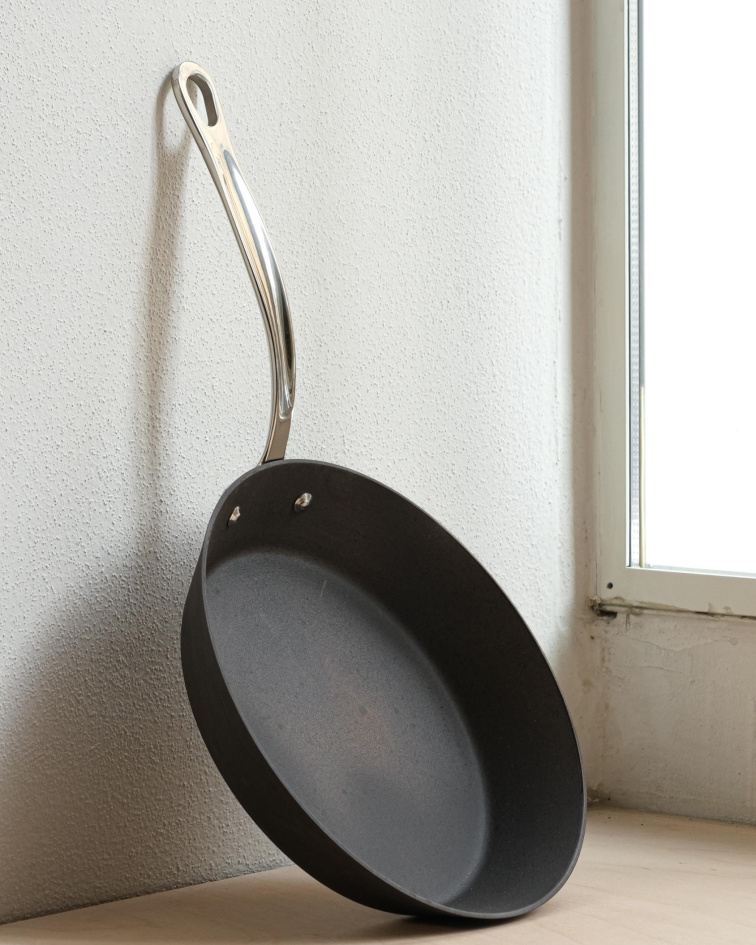
Every material has its own properties and naturally changes with use. Some develop a patina, while others require regular protection or occasional treatment. Understanding the material is the first step toward proper care and will help you preserve its functionality and appearance for many years.
Carbon steel
Carbon steel is popular for its toughness, long service life and ability to achieve a very sharp edge. Unlike stainless steel, however, it is not corrosion-resistant and requires regular care. After use, clean and dry the product and apply a thin layer of protective oil during longer-term storage. The development of patina is also a natural part of use; it is not a defect but a sign of use and may help protect the material's surface. With proper care, carbon steel will retain its exceptional properties for many years.
Stainless steel
Stainless steel is resistant to ordinary corrosion and is very easy to maintain. After use, simply clean and dry the product and store it in a dry place. Nevertheless, even stainless steel is not completely maintenance-free - prolonged exposure to moisture, aggressive substances or salt may affect its appearance over time. Regular cleaning and proper use will preserve its appearance and functionality for a long time.
Titanium
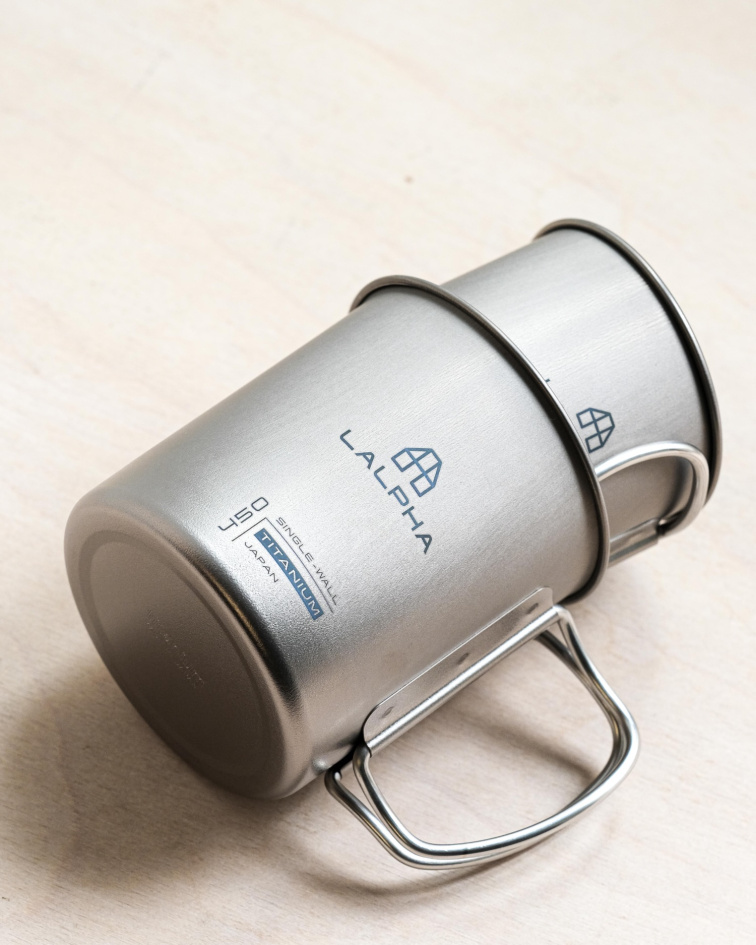
Titanium stands out for its low weight, high strength and exceptional corrosion resistance. It requires no special maintenance and can generally be cleaned and dried normally after use. Thanks to its durability, it is a popular material for outdoor equipment and cookware. Avoid only unnecessarily aggressive abrasive products, which may damage the surface finish of some products. With normal use, titanium will serve you reliably for many years.
Cast iron
Cast iron is a traditional material with an excellent ability to accumulate and distribute heat evenly. After use, clean it, dry it thoroughly and lightly coat it with a thin layer of oil while it is still warm. Regular use creates a natural protective layer that improves its properties and protects the surface. Do not leave cast iron in water for long periods or store it in a damp environment. With proper care, it can serve for generations.
Copper
Copper is a traditional material valued for its thermal conductivity and distinctive appearance. Over time, it naturally changes colour and develops a patina, which is a normal part of its ageing. If you want to preserve its polished appearance, copper can be cleaned regularly with suitable products. Many users, however, prefer naturally developed patina, which gives each product a unique character. After use, we recommend cleaning copper products, drying them and storing them in a dry environment.
Brass
Brass is a durable material that naturally develops through use and time, acquiring a characteristic patina. Some users leave it as part of its natural ageing, while others prefer regular polishing. Both approaches are correct and depend solely on your preferences. Gentle cleaning and thorough drying are sufficient for routine maintenance. Avoid aggressive cleaning products that could damage the surface.
Wood
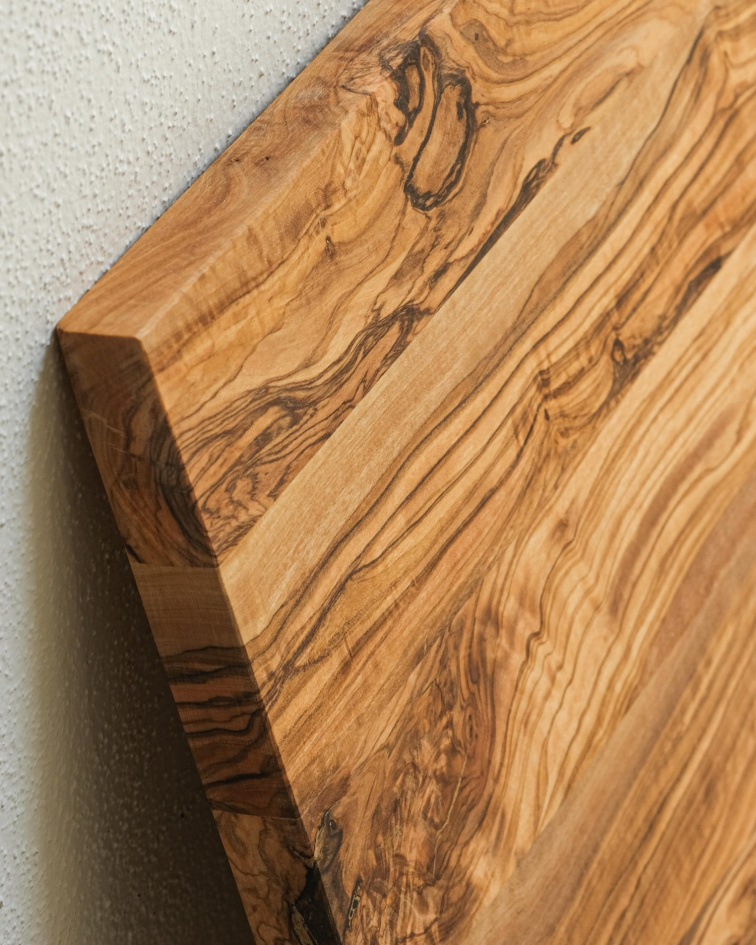
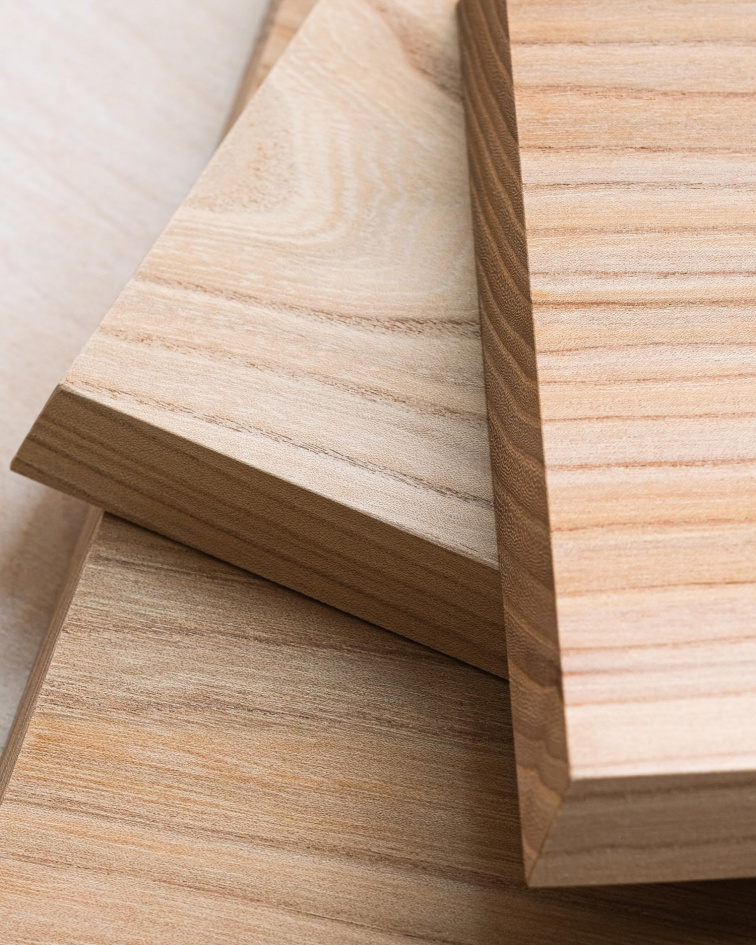
Wood is a natural material that responds to changes in humidity and temperature. We recommend protecting wooden handles, shafts and cutting boards from prolonged exposure to water and regularly treating them with a suitable oil. This will help preserve their strength, appearance and pleasant feel during use. Minor changes in colour or structure are a natural part of wood ageing and give each product a unique character.
Leather
Leather is a natural material that develops character with regular use and ages beautifully. Protect it from prolonged moisture and, if it becomes wet, allow it to dry freely at room temperature. Regular treatment with products intended for natural leather helps preserve its flexibility and appearance. Natural patina is a normal part of use and gives every leather product a unique character.
Care
Proper care of a product is not complicated. In most cases, a few simple habits are enough to help preserve its properties, extend its service life and make everyday use more enjoyable. Below you will find basic recommendations concerning the most common product-care topics.
Sharpening and honing
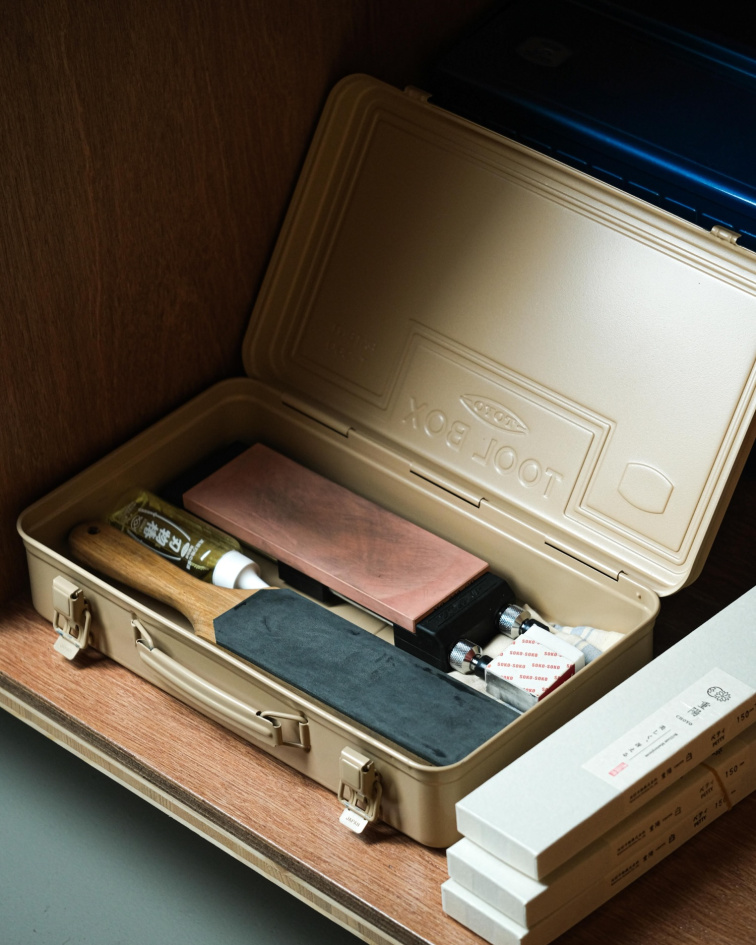
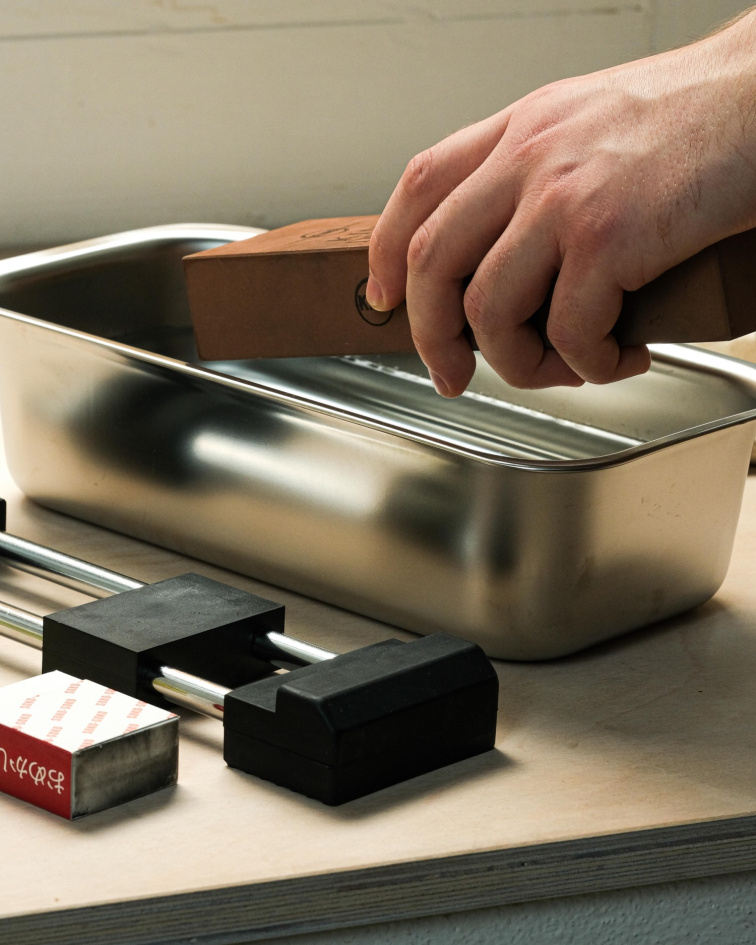
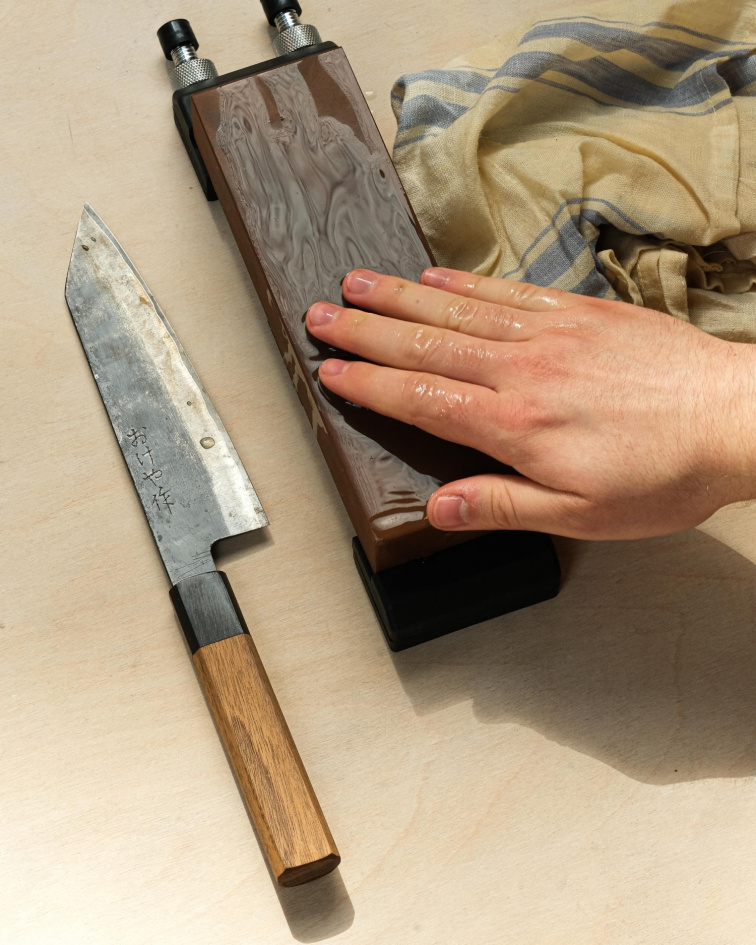
A sharp tool is safer, more precise and more enjoyable to work with. Sharpen as needed, rather than waiting until the edge is completely blunt. Choosing a suitable sharpening stone depends on the product type and the desired edge treatment. Caring for the sharpening stones themselves is equally important; they need to be kept clean and flat. With the correct sharpening technique, you can achieve a high-quality edge over the long term and extend the life of the tool.
Read more:
Guide to Freehand Knife Sharpening on Water Stones →
Cleaning
After every use, we recommend cleaning the product of dirt, food residue, soil, sap or resin and then drying it thoroughly. Use gentle cleaning products that will not damage the surface or material of the product. Some materials, such as carbon steel, wood or cast iron, may require specific maintenance. Regular cleaning is the simplest way to extend a product's service life and preserve its properties.
Corrosion protection
Moisture is the most common cause of corrosion on carbon steel and other untreated metal parts. Therefore, always clean and dry the product after use and lightly treat it with a suitable protective oil during longer-term storage. Natural patina is not a sign of damage and, for some materials, may actually help protect their surface. Proper storage in a dry environment significantly reduces the risk of corrosion.
Storage
Proper storage helps protect products from moisture, damage and unnecessary wear. Before storage, we recommend always cleaning and thoroughly drying the product. Store edges so that they do not come into contact with other objects, and do not leave moving parts dirty for long periods. If you will not be using the product for an extended time, pay attention to treating it according to the material used. A few minutes of care before storage often means many years of trouble-free use.
Safe use
A quality tool works best when used for the purpose for which it was designed. Avoid activities that could damage the edge, handle or other parts of the product. Before each use, check that the tool is clean, undamaged and ready for work. A well-sharpened edge requires less force and allows more precise and safer work. After completing the work, clean and dry the product and store it in a suitable place.
Natural ageing of products
Quality products change with use. Carbon steel develops a patina, wood responds to ambient humidity, leather softens, and brass or copper gradually change their appearance. In most cases, this is not a defect but a natural expression of quality materials and regular use. Proper care helps preserve their properties, not stop their natural development. Each product gradually develops its own character.

FAQ
When using quality tools and products, similar questions often arise. Below you will find brief answers to the most common ones. If you cannot find what you are looking for here, do not hesitate to contact us.
Patina?
Patina is a natural change to the surface of certain materials, such as carbon steel, copper or brass. It develops through normal use and is not a sign of damage. On the contrary, it may help protect the material's surface and gives each product a unique character. Many users consider it a natural part of a quality tool.
How can surface corrosion be removed?
Light surface corrosion can usually be removed with a fine abrasive material or a suitable cleaning product intended for the particular material. After removing the corrosion, clean and dry the product and treat it with a thin layer of protective oil. It is also important to eliminate the cause of the corrosion, which is most often prolonged moisture or improper storage.
How often should protective oil be used?
It depends on the material and how the product is used. For carbon-steel products, we recommend using protective oil before any longer-term storage or whenever they will be exposed to higher humidity. Products that you use regularly and always clean and dry after work usually do not require frequent oiling. A thin protective layer, however, will never hurt.
When is it time to sharpen?
We recommend sharpening a tool when it stops working smoothly and requires more force than usual. Do not wait until the edge is completely blunt - regular light sharpening is gentler on both the edge and the tool itself. A well-sharpened tool is safer, more precise and more enjoyable to work with.
How should products be stored properly?
Before storage, we recommend always cleaning and thoroughly drying the product. Protect edges from contact with other metal objects and store products in a dry place with as little fluctuation in humidity as possible. If you do not use the product for an extended period, pay attention to treating it according to the material used. Proper storage significantly extends the service life of every product.
When should sharpening or repairs be entrusted to a professional service?
If the edge is significantly damaged, has a chipped section or you do not feel confident sharpening it yourself, we recommend entrusting the product to an experienced professional. Likewise, professional sharpening is usually the best choice for tools with delicate geometry or higher value. However, most users can manage regular routine maintenance at home with suitable tools and a little practice.
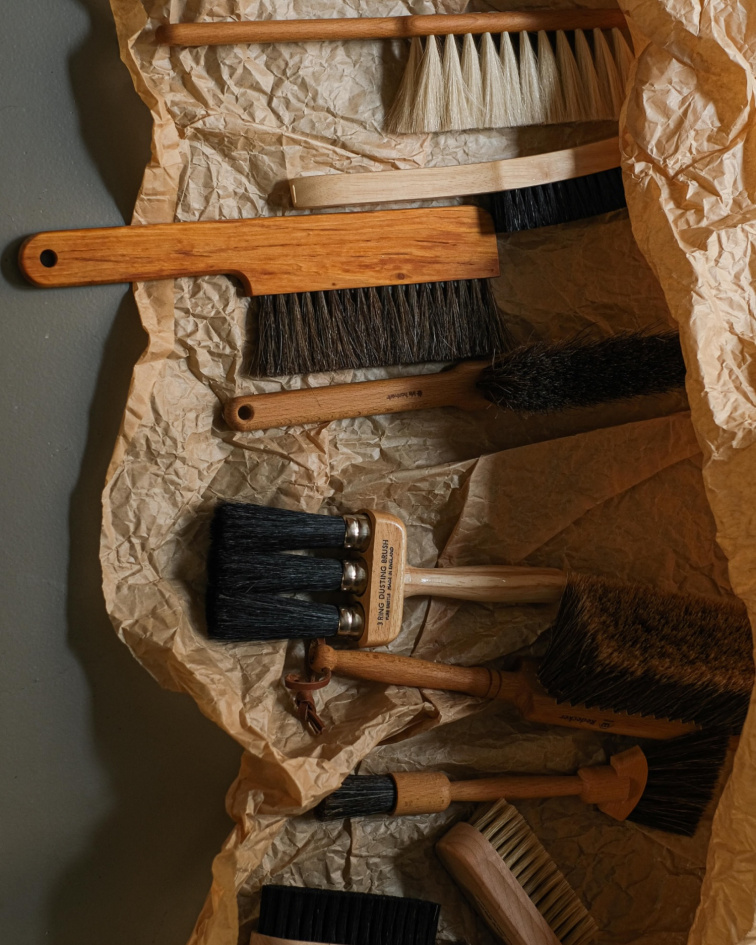
Recommended Maintenance Products
Proper care does not require many tools. In most cases, a few tried-and-tested products are enough to help keep your products clean, protected and ready for further use.
Camellia oil
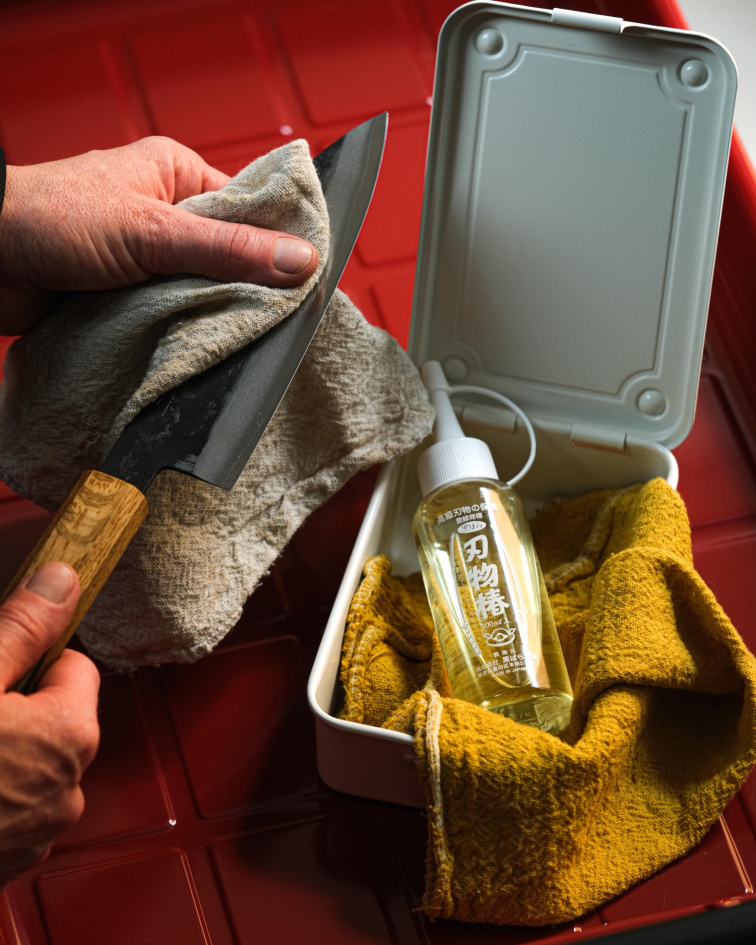
Camellia oil creates a thin protective layer that helps protect carbon steel against corrosion. It is suitable for knives, saws, chisels and other carbon-steel products, especially before longer-term storage. Thanks to its neutral properties, it is also popular for kitchen tools.
Sharpening stones
A quality sharpening stone is the foundation of proper sharpening. Different grits allow you to repair a damaged edge, perform routine maintenance and achieve a fine finish. A properly maintained sharpening stone will serve you for many years.
Stropping block
A leather strop helps remove the fine burr left after sharpening and maintain the edge between sharpenings. Regular stropping often extends the time before you need to reach for a sharpening stone.
Wood oils
Regular treatment protects wooden handles, shafts and cutting boards from drying out and helps preserve their natural appearance and pleasant grip. A thin layer applied as needed is sufficient.
Leather-care products
Leather cases and other accessories benefit from occasional treatment with a suitable balm or cream. This helps keep the leather supple, protects it from drying out and supports its natural ageing.
Cast-iron care products
Cast-iron cookware does not require special chemicals. In most cases, a brush, warm water and a thin layer of suitable oil after washing are sufficient. Regular use creates a natural protective layer that improves the properties of cast iron.
Less Is Often More
Quality products do not require complicated care or many special products. In most cases, it is enough to clean and dry them after use, store them properly and treat or sharpen them as needed. Regular, simple care has the greatest impact on their service life.
Tokyo Tools ©